
No products in the cart.
Best Nightlife Experiences in Europe by Month
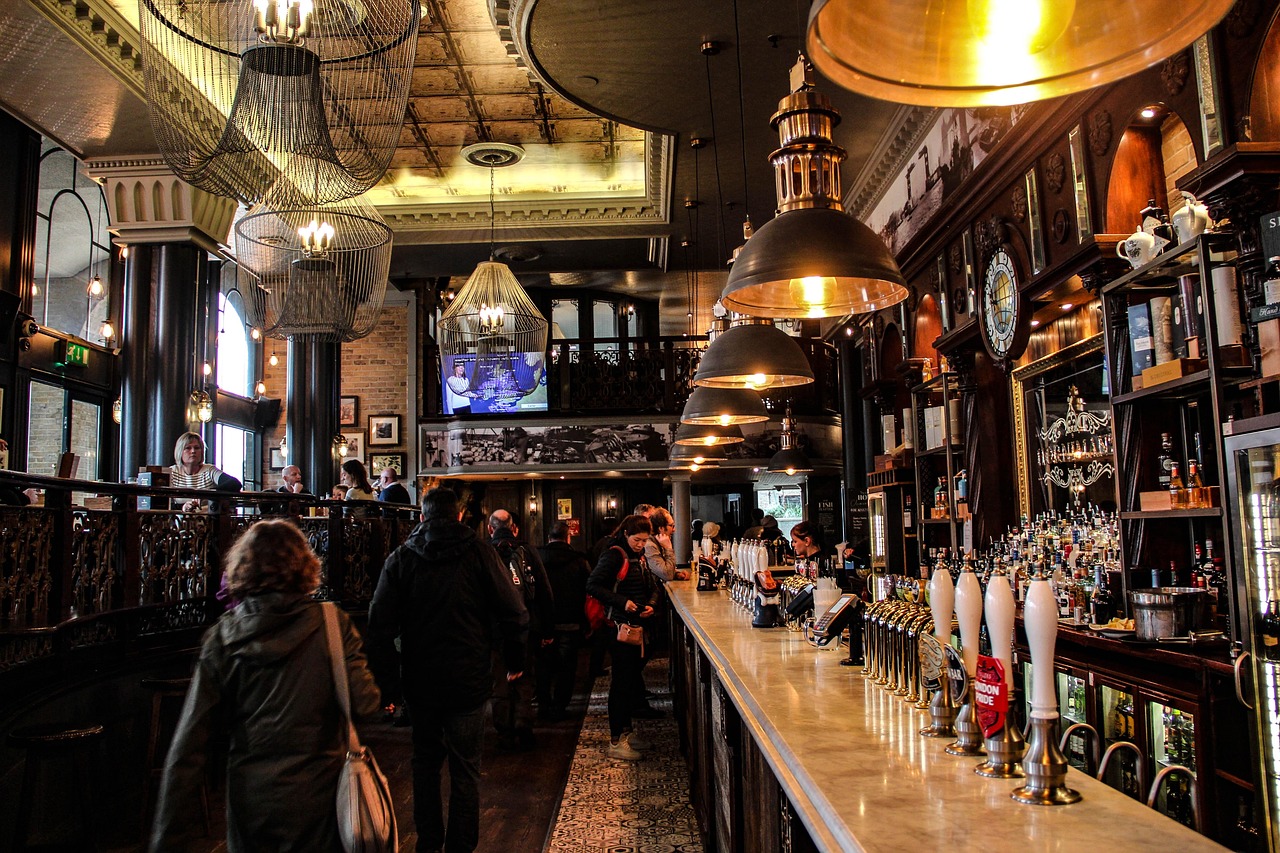
Europe, a compact continent with a chaotic personality, offers a nightlife spectrum that ranges from the aggressively loud to the whisper-quiet. To navigate this labyrinth of late-night culture, one cannot rely on a static map. The vibe in January is distinct from the vibe in July, not just because of the temperature, but because of the collective psychological state of the population.
This review aims to catalog the optimal European nightlife experiences by month. We have eschewed the traditional “Top 10” list format in favor of a granular, temporal approach. Our methodology involves a mix of cultural anthropology, meteorological observation, and a deep appreciation for the art of the “night out.” The goal is to provide a guide that is as useful for the seasoned raver as it is for the casual observer of human behavior.
Powered by GetYourGuide
January: The Deep Freeze and the Warmth Within
1. Berlin, Germany: The Resurrection of Techno at Berghain January in Berlin is a study in greyscale. The sky is a low, oppressive lid of grey, and the wind cuts through denim like a laser through butter. It is precisely this atmospheric oppression that makes the nightlife so compelling. The destination is Berghain, the techno cathedral located in a defunct power plant.
The experience here is not merely auditory; it is physical. The bass is felt in the sternum before it is heard by the ear. January is the month of “new beginning” techno, where the post-holiday depression is exorcised on the dance floor. The queue is legendary, a brutalist performance art piece in itself, but once inside, the time dilation kicks in. You enter on Friday night and emerge on Monday morning, blinking at a sun you forgot existed. The darkness of the month is embraced here, not fought. It is a sanctuary of industrial grit where the dress code is aggressively black and the only clock that matters is the DJ’s set time.
2. Reykjavik, Iceland: Chasing Shadows in the Northern Lights While the rest of Europe sleeps, Reykjavik wakes up. In January, Iceland is plunged into near-constant darkness, a phenomenon that locals have weaponized into a festival of light and sound. The nightlife here is paradoxically fueled by the absence of the sun.
The primary activity is a hybrid of nature and nurture. You begin the evening in a geothermal hot pot, soaking in 40-degree water while the air temperature hovers well below zero. The contrast is electric. As the night deepens, you venture into the wilderness to hunt the Aurora Borealis. When the sky refuses to perform, the city center compensates. Laugavegur street transforms into a neon-lit canyon of revelry. The drinking culture is intense, a “pre-game” ritual that starts at 9 PM and ends… eventually. The humor here is dry, the wool sweaters are thick, and the night feels endless, not because of the party, but because the sun has clocked out for the month.
3. Prague, Czech Republic: The Absinthe-Fueled Literary Salon Prague in January is cold, but its gothic architecture looks best under a dusting of snow and the glow of streetlamps. The nightlife here takes a turn toward the cerebral and the hallucinogenic. This is the month for “Bohemian Rhapsody” in its truest sense.
Deep in the cellars of the Old Town, absinthe bars operate with a quiet intensity. The activity is not dancing, but conversing. The green fairy is served with the traditional sugar cube and water drip, creating a louche, milky emulsion. The atmosphere is thick with history and smoke. Patrons huddle around heavy wooden tables, debating philosophy or simply staring into the middle distance as the thujone takes hold. It is a slow-burning nightlife experience, one that warms the soul without requiring the stamina of a marathon runner. The humor is found in the delirious conversations that inevitably arise when the wormwood kicks in.
February: The Masquerade and the Hibernation
1. Venice, Italy: The Final Flourish of Carnevale February in Venice is a sensory overload of velvet, gold, and mystery. The Carnevale di Venezia reaches its crescendo in the weeks leading up to Lent, turning the city’s narrow alleyways into a living museum of debauchery.
The nightlife here is visual and aristocratic. You don’t just go to a bar; you attend a masked ball in a crumbling palazzo. The air smells of damp stone and expensive perfume. The activity involves navigating the throngs in St. Mark’s Square, where every face is hidden behind porcelain or leather. The anonymity provided by the mask creates a unique social fluidity. Strangers converse freely in hushed tones, and the line between observer and participant dissolves. The nights are long, the fog rolls in off the lagoon, and the entire city feels like a stage set for a surreal opera. It is theatrical, slightly chaotic, and utterly unforgettable.
2. Val d’Isère, France: The Apres-Ski Glow While technically a ski resort, Val d’Isère in February offers a nightlife experience that rivals any major city, fueled by adrenaline and schnapps. The sun sets early in the French Alps, signaling the transition from slopes to slopes of a different kind.
The quintessential activity is the apres-ski session, which begins while the boots are still on. The bars are raucous, filled with a mix of Olympic-level athletes and people who have spent the day falling over. The music is a blend of French pop and classic rock, played at a volume that encourages shouting. The “Tavernes” are dimly lit, smelling of wet wool and wood smoke. As the night progresses, the crowd migrates to the clubs, where the dance floors are sticky with spilled beer and the energy is surprisingly high for 2 AM at altitude. The humor lies in the contrast between the pristine, silent mountain landscape outside and the sweaty, chaotic joy inside.
3. London, UK: The Underground Jazz Revival February in London is damp and perpetually twilight, a mood that perfectly suits the resurgence of underground jazz. While the mainstream clubs throb with house music, the basements of Shoreditch and Peckham are hosting something more intimate.
The activity is to find a venue with no sign, descend a flight of stairs, and lose yourself in the improvisational chaos of a live band. The air is thick with the scent of craft beer and damp concrete. These sessions are not about posing; they are about the music. The crowd is a mix of serious audiophiles and casual drifters, all swaying in unison. The night starts late and ends early, a sharp contrast to the all-night raves of summer. It is a sophisticated, slightly gritty way to experience the city, where the highlight is a trumpet solo that lasts longer than your attention span but somehow feels too short.
March: The Awakening
1. Madrid, Spain: The Solstice of Tapas and Tonel March in Madrid is a month of transition. The winter chill begins to retreat, but the heat of summer has not yet arrived. It is the perfect time for the “ir de tapas,” a nightlife ritual that defies the concept of a sit-down dinner.
The activity is kinetic: moving from bar to bar in the neighborhoods of La Latina or Malasaña. You start with a caña (small beer) and a plate of jamón, then migrate. By 11 PM, the streets are packed. The energy is infectious, a collective sigh of relief as the city reawakens. The humor is found in the logistics: balancing a plate of patatas bravas on one knee while standing on a crowded sidewalk, engaging in a loud conversation with a stranger, and realizing you’ve had four dinners without ever sitting at a table. The night is fluid, unstructured, and endlessly social.
2. Dublin, Ireland: The Literary Pub Crawl St. Patrick’s Day is the obvious choice, but the true nightlife gem of March in Dublin is the literary pub crawl. As the month begins, the city is steeped in the tradition of storytelling.
The activity involves visiting the historic pubs of Temple Bar, not for the tourist traps, but for the corners where the locals hold court. You order a pint of stout and settle in. The entertainment is often impromptu: a recitation of Yeats, a heated debate about Joyce, or a sing-song in a corner. The atmosphere is cozy, the lighting is low, and the wit is razor-sharp. By the end of the night, you will have heard three tragic stories and five jokes, all delivered with the distinctive Dublin cadence. It is a cerebral form of revelry, fueled by alcohol and literature.
3. Lisbon, Portugal: The Fado and the Francel Lisbon in March is blooming. The almond trees are in flower, and the nights are crisp but manageable. The nightlife here is a duality of the melancholic and the vibrant.
Start the evening in the Alfama district, listening to Fado. This is the music of longing, performed in dimly lit taverns where the singers stand still, pouring their souls into the lyrics. It is haunting and beautiful. Once the tears have been shed, the activity shifts to the “francel” (the fringe) of the city. You head to the rooftop bars of Bairro Alto. The view of the Tagus River is spectacular, and the caipirinhas are dangerously strong. The transition from the sorrowful Fado to the upbeat rooftop chatter highlights the complex personality of the Portuguese night.
April: The Rain and the Rave
1. Amsterdam, Netherlands: King’s Day and Canal Chaos Late April brings King’s Day (Koningsdag), a national holiday that turns the entire country into an orange-drenched street party. In Amsterdam, the canals become the arteries of the nightlife.
The activity is boat-based. You rent a small vessel (or crash one) and navigate the waterways of the Jordaan district. The water is cold, the sky is often grey, but the energy is electric. Every bridge is packed with people, music blasts from every window, and the commerce of the “vrijmarkt” (free market) continues well into the night. It is a chaotic, organized mess of a celebration. The humor is in the sheer absurdity of a boat jam in a canal, where neighbors pass drinks across the water and the DJ is just a guy with a speaker on his deck.
2. Bucharest, Romania: The Industrial Underground April in Bucharest is unpredictable—snow one day, sun the next. The nightlife, however, is consistently raw. The city is famous for its underground club scene, housed in repurposed factories and bunkers.
The activity is exploring the “Control Club” or the subterranean spaces of the Old Town. The aesthetic is industrial chic: exposed brick, concrete floors, and minimal lighting. The music ranges from deep house to indie rock. The crowd is young, artistic, and fiercely independent. There is no velvet rope here; just a heavy door and a dark staircase. The night feels illicit, as if you’ve stumbled upon a secret society meeting. It is a stark contrast to the polished clubs of Western Europe, offering a grittier, more authentic pulse.
3. Glasgow, Scotland: The Subclub’s Techno Pulse April in Glasgow is a month of rain, making the interior nightlife all the more appealing. The Subclub is a legendary venue, located entirely underground (hence the name). The ceiling is low, the air is humid, and the sound system is world-class.
The experience is immersive. You descend the stairs and lose track of time. The club is famous for its acoustics; the bass doesn’t just hit you, it surrounds you. The crowd is diverse and fiercely loyal. There is no pretense here, only a collective commitment to the dance. The humor is in the Scottish banter that continues even on the dance floor, a constant stream of commentary amidst the thumping kick drums. It is a warm, sweaty refuge from the relentless April showers.
May: The Rooftop Renaissance
1. Barcelona, Spain: The Vermouth Hour and the Rooftop May is the sweet spot in Barcelona. The summer crowds have not yet arrived, the temperature is perfect, and the city opens its terraces.
The nightlife begins early, around 1 PM, with the “vermut” ritual. You sit in a plaza, drinking sweet vermouth over ice with olives and tinned seafood. As the sun sets, the activity shifts upward. The rooftops of the Eixample district become the place to be. The views of the Sagrada Familia are dramatic, and the DJ sets are sophisticated. The night is breezy, the fashion is impeccable, and the transition from day to night is seamless. It is a month of al fresco dining and drinking, where the city itself is the venue.
2. Prague, Czech Republic: The Beer Gardens of Letná While January was for cellars, May is for the heights. Prague’s beer gardens open fully in May, and Letná Park offers the best view of the city’s spires.
The activity is communal drinking on a grassy slope. You buy a liter of Pilsner Urquell, unfiltered and cold, and sit on a wooden bench. The sun is warm, the crowd is a mix of locals and early tourists, and the vibe is incredibly relaxed. As dusk falls, the city lights flicker on below. The night doesn’t involve thumping bass; it involves the clinking of glass and the murmur of conversation. It is a democratic form of nightlife, accessible and endlessly pleasant.
3. London, UK: The Open-Air Cinema and the Thames May evenings in London are light until late, a phenomenon that locals exploit with open-air cinema screenings.
The activity is watching cult classics on rooftops or along the South Bank of the Thames. You sit on a deckchair with a plastic cup of wine, the city skyline as your backdrop. The screen might be a temporary setup in a cemetery (Highgate) or a pier (Granary Square). The chill in the air is offset by the novelty of the experience. It is a quiet, observant form of nightlife, where you are as much a part of the scenery as the screen itself. The humor comes from the collective gasp of the audience when a pigeon flies through the projector beam.
June: The Solstice and the Saturation
1. Ibiza, Spain: The Sunset Strip June marks the official opening of the Ibiza season. The island is awash in violet light and anticipation.
The activity is the pilgrimage to the sunset strip. You start at Café del Mar or Mambo, securing a spot on the rocks. The music is synchronized to the descent of the sun, a crescendo of chill-out beats that peaks as the orb hits the horizon. Then, the night explodes. You move to the clubs—Pacha, Amnesia, Ushuaïa. The heat is intense, the visuals are psychedelic, and the crowd is a global melting pot. It is sensory overload in its purest form. The humor is found in the disorientation of leaving a club at 6 AM and being blinded by a sun that has been up for hours.
2. Copenhagen, Denmark: The Longest Night on the Harbor In June, Copenhagen experiences the “white nights.” The sun barely sets, bathing the city in a perpetual twilight.
The activity is “havnebadet” (harbor bathing) followed by street food. The harbor baths are open late, allowing for a swim at 10 PM in clean, heated water. Afterward, you head to the Reffen street food market, located under the industrial cranes of the harbor. The air smells of wood smoke and global cuisine. The night is spent wandering the canals, drinking local craft beer, and enjoying the surreal brightness of the sky at midnight. It is a calm, hygge-infused nightlife that defies the concept of darkness.
3. Belgrade, Serbia: The River Barge Parties (Splavovi) Belgrade in June is hot, and the nightlife moves to the water. The “splavovi” are floating barges moored along the Danube and Sava rivers.
The activity is hopping from barge to barge. Each has a different musical genre, from turbo-folk to house. The atmosphere is unpretentious and high-energy. You dance on wooden decks that bob gently on the water, the city skyline glowing behind you. The drinks are cheap, the rakija is strong, and the party continues until sunrise. The unique feature here is the ventilation; the river breeze provides a natural AC that the landlocked clubs of Western Europe can only dream of.
July: The Heatwave and the Festival Circuit
1. Berlin, Germany: The Open-Air at Tempelhof July in Berlin is hot, but the city breathes. The former airport of Tempelhof becomes a massive open-air venue.
The activity is lounging on the tarmac. The concrete runways retain the heat of the day, releasing it slowly into the night. The crowd is diverse, the music is eclectic, and the space is infinite. You can ride a bike, watch a movie, or dance to a DJ set under the stars. The vibe is “Berlin chill”—laid back, slightly gritty, and utterly free. The humor is in the sight of thousands of people sunbathing on an abandoned airstrip, a surreal tableau of urban reuse.
2. Split, Croatia: The Adriatic Club Crawl July is peak season on the Dalmatian coast. Split is a furnace of stone and sun, but its nightlife is cooled by the Adriatic.
The activity involves boat parties and beach clubs. You start on a boat, cruising the archipelago, jumping into the turquoise water between DJ sets. As the sun sets, you dock at clubs like Bačvice or the more exclusive venues on the islands. The sand is warm, the water is cool, and the music is deep and rhythmic. The night is a blur of salt, sweat, and neon lights. It is a physical experience, demanding stamina and a high tolerance for sun exposure.
3. Madrid, Spain: The Noche de San Juan Late June bleeds into early July with the Fiesta de San Juan, a celebration of the summer solstice.
The activity is the beach bonfire. While Madrid is inland, the city’s parks, particularly El Retiro, host massive bonfires. The night is filled with the smell of burning wood and the sound of fireworks. Locals gather to drink, eat, and jump over fires for good luck. The energy is primal and festive. As the night deepens, the party spills into the streets of Malasaña. It is a chaotic, fiery celebration of the longest days of the year.
August: The Exodus and the Heat
1. Mykonos, Greece: The Beach Club Marathon August in Mykonos is expensive, crowded, and incredibly fun. The heat is relentless, so the nightlife moves to the water’s edge.
The activity is the beach club circuit. You start at Nammos or Scorpios in the afternoon, securing a daybed. The transition from day drinking to night dancing is seamless. The music is sophisticated, the crowd is glamorous, and the backdrop is the Aegean Sea. As the sun sets, the tables are cleared, and the dance floors open. The night is a marathon, fueled by champagne and the sea breeze. It is a see-and-be-seen affair, but the beauty of the setting is undeniable.
2. Edinburgh, Scotland: The Fringe Festival August in Edinburgh is synonymous with the Fringe Festival, the world’s largest arts festival. The nightlife here is intellectual and chaotic.
The activity is the “late show.” You spend the evening hopping between venues, watching stand-up comedy, experimental theater, and cabaret. The city is a labyrinth of temporary stages and pop-up bars. The Royal Mile is packed until the early hours, a moving festival of performers and audiences. The humor is sharp, often dark, and constantly evolving. It is a nightlife of the mind, where the punchlines are as important as the pints.
3. The Alps: The High-Altitude Rave August is the only month where you can party at 3,000 meters. Across the French, Swiss, and Austrian Alps, high-altitude festivals take place.
The activity is hiking to a mountain peak for a rave. The air is thin, the stars are close, and the music echoes off the glaciers. The physical exertion of the hike adds a layer of euphoria to the dance. The night is cold, requiring layers of clothing, but the energy on the dance floor is hot. It is a surreal experience to be dancing to electronic music while surrounded by snow-capped peaks in the middle of summer.
September: The Golden Hour
1. Lisbon, Portugal: The Late Summer Breeze September in Lisbon is the “prata” (silver) month. The heat breaks, but the nights remain warm.
The activity is the “miradouro” (viewpoint) gathering. You head to one of the many hilltop viewpoints, buy a bottle of wine from a kiosk, and watch the sunset. The city turns golden, then purple. As the night deepens, you descend into the streets of Bairro Alto. The energy is mellow, a collective sigh of relief as the summer crowds disperse. The music from the bars spills onto the cobblestones, creating a soundtrack for the night wanderer.
2. Munich, Germany: The Oktoberfest Prelude While Oktoberfest officially starts in late September, the “wiesn” vibe begins early. The beer tents of Theresienwiese open, and the city shifts into folk mode.
The activity is the evening in a beer tent. It is not just about drinking; it is about the communal singing and the clinking of steins. The dress code is traditional (Lederhosen and Dirndls), and the atmosphere is jovial. The night is spent in a haze of hops and oompah music, a distinct departure from the techno clubs of Berlin. It is a folkloric nightlife, steeped in tradition and liters of beer.
3. Paris, France: The Nuit Blanche Preview Paris in September is stylish and crisp. The “Nuit Blanche” (White Night) is an all-night arts festival that takes place in October, but the city begins to buzz with this energy in late September.
The activity is the nocturnal walk along the Seine. The banks are lined with pop-up bars and art installations. You wander from the Marais to the Latin Quarter, stopping for wine at odd hours. The city is illuminated, not by the harsh glare of summer, but by the soft, golden light of autumn. It is a romantic, pedestrian form of nightlife, where the destination is less important than the stroll.
October: The Gothic and the Grog
1. Transylvania, Romania: The Halloween Castle Party October in Transylvania is misty, cold, and perfectly atmospheric. The nightlife here takes a macabre turn.
The activity is the Halloween party at Bran Castle (Dracula’s Castle). You navigate the crowded corridors of the fortress, dressed in costume, drinking mulled wine. The history is palpable, the fog is real, and the vibe is spooky fun. Later, the party moves to the cellars of nearby Brașov, where gothic rock bands play until dawn. It is a themed nightlife experience that leans heavily into the region’s folklore.
2. London, UK: The Pub Fire and the Pie As the temperature drops, London’s pubs become sanctuaries. The activity is finding a pub with a working fireplace.
You settle into a worn leather armchair, order a steak and ale pie and a pint of bitter, and watch the fire crackle. The night is slow, warm, and convivial. The conversation turns to the serious business of the winter ahead. It is a hibernation ritual, a preparation for the cold months. The nightlife here is defined by the glow of the embers and the warmth of the room.
3. Amsterdam, Netherlands: The Film Festival and the Brown Cafe The International Documentary Film Festival (IDFA) kicks off in late October. The activity is a double feature: a dark, thought-provoking doc followed by a session in a “brown cafe” (traditional Dutch pub).
The atmosphere is cozy and smoky (in the old sense). You discuss the film over a genever gin. The night is intellectual and damp, the canals reflecting the streetlights. It is a quiet, introspective way to spend an evening, suited to the grey skies and falling leaves.
November: The Return to the Underground
1. Glasgow, Scotland: The Barrowland Ballroom November in Glasgow is dark, wet, and cold. The perfect excuse to go to a gig.
The activity is seeing a band at the Barrowland. The venue is a legendary dance hall with a sprung floor and a neon sign that can be seen for miles. The crowd is passionate, singing every word of every song. The night is sweaty and loud, a defiance of the grim weather outside. The humor is in the banter between songs, the dry wit of the Scottish rockers.
2. Brussels, Belgium: The Trappist Monastery and the Jazz Club November is the month of “gezelligheid” (coziness) in Belgium. The activity is a dual experience: a visit to a Trappist monastery for beer tasting, followed by a late-night jazz club.
The monasteries produce some of the world’s strongest, most complex beers. You sip these dark ales in a quiet, stone-clad room. Then, you head to the city center, where the jazz clubs of the Saint-Géry district are warming up. The music is smooth, the lighting is low, and the chocolate shops are still open late. It is a sensory feast of sound and taste.
3. Naples, Italy: The Pizza and the Piazza Naples in November is brisk but vibrant. The nightlife centers on food and the piazza.
The activity is the late-night pizza. You go to a historic pizzeria, wait in line, and devour a Margherita that defies physics. The night then moves to the Spaccanapoli, the street that splits the city. You drink espresso (yes, at night) and wander the chaotic streets. The energy is raw, the noise is constant, and the smell of wood-fired ovens hangs in the air. It is a culinary nightlife, where the high comes from the sugar rush of a sfogliatella.
December: The Sparkle and the Spirits
1. Vienna, Austria: The Christmas Market Cocktail December in Vienna is a fairy tale. The Christmas markets (Christkindlmarkt) are in full swing, and the city glitters.
The activity is the “Feuerzangenbowle” (fire-tong punch). You stand in the cold market square, watching a sugar cone soaked in rum catch fire and drip into a vat of mulled wine. The night is spent wandering from market to market, sampling different punches and admiring the lights. The atmosphere is magical, a collective suspension of cynicism. It is a festive, outdoor nightlife that embraces the cold.
2. Reykjavik, Iceland: The New Year’s Eve Bonfire Back in Reykjavik, December offers the ultimate finale. The activity is the New Year’s Eve bonfire.
Locals build massive bonfires in designated areas across the city. You join the locals, dressed in warm layers, and watch the flames dance against the polar night. At midnight, the sky erupts in fireworks (all privately purchased). It is a community event, chaotic and beautiful. The night is freezing, the light is intense, and the sense of renewal is palpable.
3. Prague, Czech Republic: The Underground Mulled Wine As the year ends, Prague’s underground cellars become warm havens. The activity is seeking out the smallest, most obscure bars for mulled wine (svařák).
The night is a maze of stone stairs and candlelit tables. You escape the cold and descend into history. The wine is hot, spiced, and potent. The conversation is hushed, the year is winding down, and the city feels like a snow globe. It is a reflective, cozy end to the continental crawl.